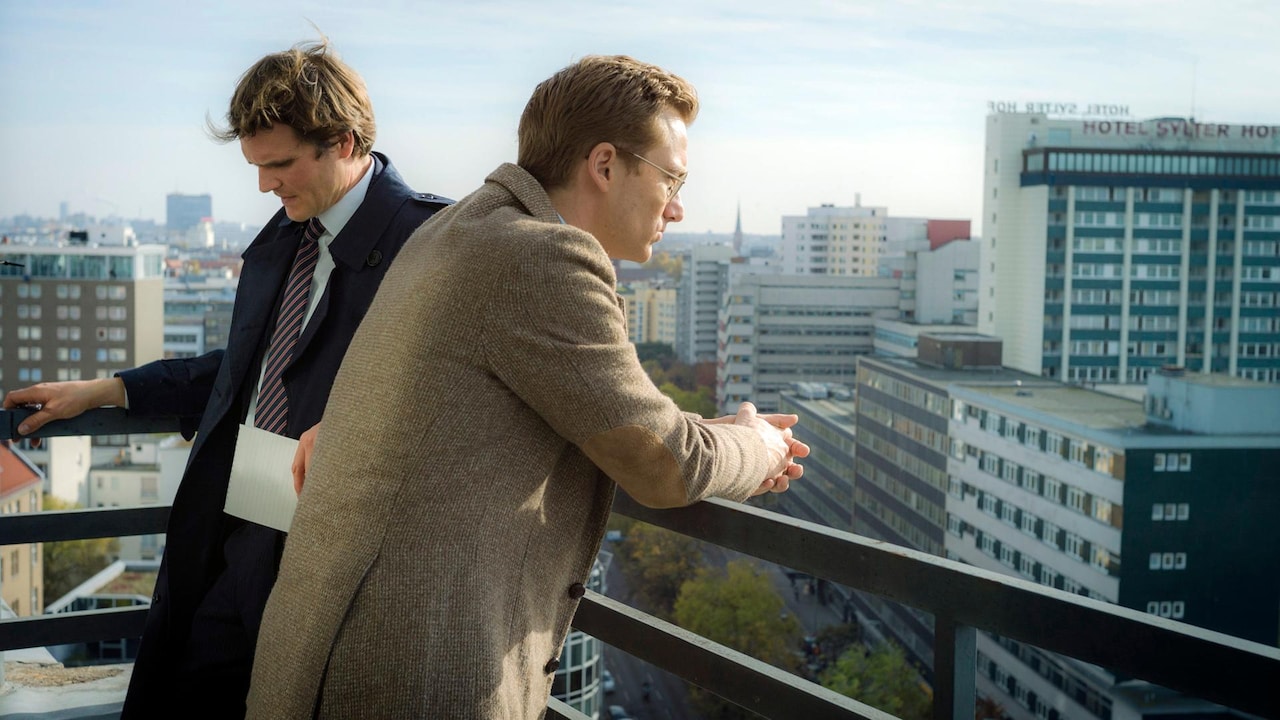
The air crackled with anticipation at the prestigious Astor Film Lounge as one of Germany's most enigmatic political scandals returned to the public consciousness, this time on the silver screen. The premiere of 'Der Fall Barschel' (The Barschel Case) drew significant attention, but it was the radiant presence of acclaimed actress Antje Traue that truly illuminated the evening. Her attendance signaled the gravitas and artistic merit attached to this much-anticipated cinematic exploration of a chapter that continues to haunt German political history. This Der Fall Barschel Film Premiere: Antje Traue Graces Astor Event marked a pivotal moment, reigniting discussions around truth, power, and the mysteries that refuse to fade.
Unearthing a Political Enigma: The Barschel Affäre Film
The 'Barschel Affäre' stands as one of the most perplexing and enduring political scandals in post-war German history. Originating in 1987, it involved Uwe Barschel, the then-Minister-President of Schleswig-Holstein, who was accused of orchestrating a smear campaign against his political opponent, Björn Engholm, ahead of state elections. The affair escalated dramatically with Barschel's solemn declaration, "I give you my word of honor, I have not done anything," followed by his resignation, and ultimately, his mysterious death in a Geneva hotel bathtub just weeks later. Officially ruled a suicide, the circumstances surrounding his demise have fueled decades of speculation, conspiracy theories, and unresolved questions, making it a fertile ground for dramatic adaptation.
A 'Barschel Affäre Film' arriving now carries immense significance. In an era where public trust in institutions is frequently questioned, revisiting such a profound historical case serves multiple purposes. It offers an opportunity to scrutinize the interplay between politics, media, and public perception. Filmmakers embarking on such a project face the delicate task of balancing historical accuracy with dramatic license, aiming not just to recount events but to delve into the human drama and systemic pressures at play. The film seeks to unravel the complex web of allegations, denials, and tragic outcomes, providing a fresh perspective or perhaps, more questions, for a new generation of viewers. It’s a testament to the unresolved nature of the affair that it continues to captivate and provoke discussion, highlighting the enduring power of cinema to engage with critical historical moments and their lingering legacies.
For those unfamiliar with the intricate details, the film acts as an immersive history lesson, painting a vivid picture of the political climate of the late 1980s. For those who lived through it, it’s an invitation to reflect on how perceptions have evolved and whether new evidence or artistic interpretations can shed further light on what truly transpired. The core challenge of any 'Barschel Affäre Film' lies in confronting the multiple narratives and offering a compelling, coherent story without claiming definitive answers where none may exist. It's about exploring the human cost of political machinations and the relentless pursuit of truth in the face of ambiguity.
Antje Traue: A Luminary Gracing the Premiere
Antje Traue's presence at the premiere of 'Der Fall Barschel' was more than just a celebrity appearance; it was an endorsement of the film's significance and quality. Known for her powerful and nuanced performances, Traue has carved out a distinguished career both in Germany and internationally. From her breakout role in the sci-fi thriller Pandorum to her impactful portrayal of Faora-Ul in Zack Snyder's Man of Steel, and her compelling work in the German series Dark, Traue consistently brings a formidable intensity and intellectual depth to her characters. Her involvement with a project often signals a script of considerable substance and challenging themes.
While details of her specific role in 'Der Fall Barschel' may not be widely publicized, her typical choice of roles suggests she would likely inhabit a character of complexity and moral ambiguity, perhaps a tenacious journalist, a driven political aide, or even a figure intimately connected to the Barschel family. Her ability to convey intelligence, strength, and vulnerability would be invaluable in a drama laden with political intrigue and personal tragedy. Traue has a unique talent for drawing audiences into the psychological landscapes of her characters, making her a perfect fit for a film that delves into such a psychologically taxing historical event.
The Astor Film Lounge, renowned for its luxurious setting and grand premieres, provided an elegant backdrop for such a high-profile event. As cameras flashed and interviews took place, Antje Traue moved with her characteristic grace and poise, embodying the sophisticated allure often associated with European cinema. Her presence undoubtedly elevated the evening, drawing media attention and adding another layer of prestige to the film's debut. Such premieres are crucial not only for celebrating the artistic endeavor but also for generating buzz, initiating critical discourse, and ensuring that a film with such an important historical subject matter reaches a broad audience. It's these moments where the artistic world intersects with historical reflection, propelled forward by the captivating presence of stars like Antje Traue. The energy she brought to the event underlined the film's importance and the anticipation surrounding its release, signaling that 'Der Fall Barschel' Film Kicks Off with Antje Traue at Premiere with a bang.
The Enduring Resonance of Der Fall Barschel in German Society
Beyond the glamour of the premiere, the 'Barschel Affäre Film' serves as a critical mirror reflecting on German society's past and present. The affair itself was a seismic event, shattering public confidence in political integrity and leaving behind a legacy of cynicism and unanswered questions. A film adaptation, therefore, isn't just entertainment; it's a vital contribution to national memory, sparking renewed public discourse and inviting contemporary analysis of historical wounds that never fully healed. The enduring impact stems from the fact that for many, the official narrative of Barschel's death never fully convinced, leaving a deep-seated suspicion that powerful forces were at play. This film aims to tap into that lingering unease, exploring the narrative gaps and offering potential artistic interpretations of the truth.
Filmmakers tackling such sensitive historical material bear a significant responsibility. They must navigate the fine line between creative storytelling and ethical representation, particularly when dealing with real individuals and events that still evoke strong emotions. A successful 'Barschel Affäre Film' will not only captivate its audience but also encourage them to engage critically with history, perhaps even prompting a re-evaluation of established facts or overlooked details. It’s an opportunity to examine how media functions during a crisis, how political power can be wielded, and the personal cost for those caught in its crosshairs. For new generations, it’s an indispensable lesson in understanding the complexities of democracy and the importance of journalistic scrutiny.
For viewers, approaching a film like 'Der Fall Barschel' with an open yet critical mind is key. Here are a few tips:
- Research the History: Familiarize yourself with the basic facts of the Barschel Affäre before or after watching the film to better appreciate its nuances and creative interpretations.
- Distinguish Fact from Fiction: Understand that even historical dramas take liberties. Be curious about where the film adheres to historical records and where it diverges for dramatic effect.
- Engage in Discussion: Talk about the film with others. Debating the narrative, the performances, and the historical implications can deepen your understanding and appreciation.
- Consider the Filmmaker's Intent: Reflect on what message the creators might be trying to convey about the affair, German politics, or human nature itself.
Such films are not just about closing a chapter but about keeping critical conversations alive, ensuring that the lessons from historical events, even unresolved ones, continue to inform our present and future.
Conclusion: A Powerful Cinematic Reimagining
The premiere of 'Der Fall Barschel' at the Astor Film Lounge, graced by the esteemed presence of Antje Traue, marks a significant moment for German cinema and historical storytelling. This Barschel Affäre Film is more than just a recounting of a past event; it's a profound cinematic endeavor that delves into one of Germany's most enduring political mysteries. With Antje Traue's proven ability to bring depth and nuance to complex roles, her involvement adds a layer of artistic weight, promising a compelling and thought-provoking viewing experience. The film serves as a crucial vehicle for revisiting critical historical events, fostering public dialogue, and encouraging a deeper understanding of the intricate relationship between politics, media, and public trust. As the credits roll, 'Der Fall Barschel' is poised not only to entertain but also to ignite renewed reflection on truth, justice, and the shadows of history that continue to shape our present.